How The Equalizer Movie Redefined Action With Denzel Washington’s Calculated Violence

Introduction
Do you ever scroll through streaming services looking for an action movie that feels genuinely smart? That is exactly what The Equalizer movie gave us back in 2014.
Unlike many loud, generic action movies playing at the time, The Equalizer took a slow and careful approach. It focused on one man, a strict moral code, and the preparation it takes to win a fight before it even starts. This methodical style made it a breath of fresh air.
Denzel Washington plays Robert McCall, a man with a mysterious past. He seems quiet but he is always watching. When he sees someone who cannot defend themselves, he steps in. And he wins using his brain, not just his fists. For fans used to the charm of classic stars from Patrick Swayze movies or Cameron Diaz movies, this darker, focused role feels different. The narrative threads movie lovers appreciate are woven tightly here. The film earned over $101 million domestically and over $192 million worldwide.
This article will break down the plot, the characters, and the unique action choreography. We will also explore why Robert McCall feels like a science fiction hero at heart. McCall operates with a level of strategy we usually see in iconic genre actors.
If you enjoy heroes who think three steps ahead and want to dive into a universe of methodical storytelling, you are in the right place. Follow the Whole Universe for books, audio, and exclusive updates.
The Plot of The Equalizer: A Retired Operative’s Return
You might be wondering what a retired spy does with his time. In The Equalizer movie, Robert McCall spends his days quietly. He works at a home improvement store, eats alone at a diner, and reads old books. But underneath that calm surface, his moral code is still ticking.
The story kicks off when McCall meets a young girl named Alina. She is a teenager forced into the sex trade by a brutal Russian gang. McCall sees her pain and cannot look away. He offers to buy her freedom, but the gang refuses. So McCall makes a simple promise: he will make things right. That promise sets off a chain of events where McCall dismantles their operation piece by piece.
What makes this movie different from other movies playing at the time is its structure. The plot unfolds like a puzzle. McCall does not rush in blindly. He studies his enemies, learns their routines, and strikes with precision.
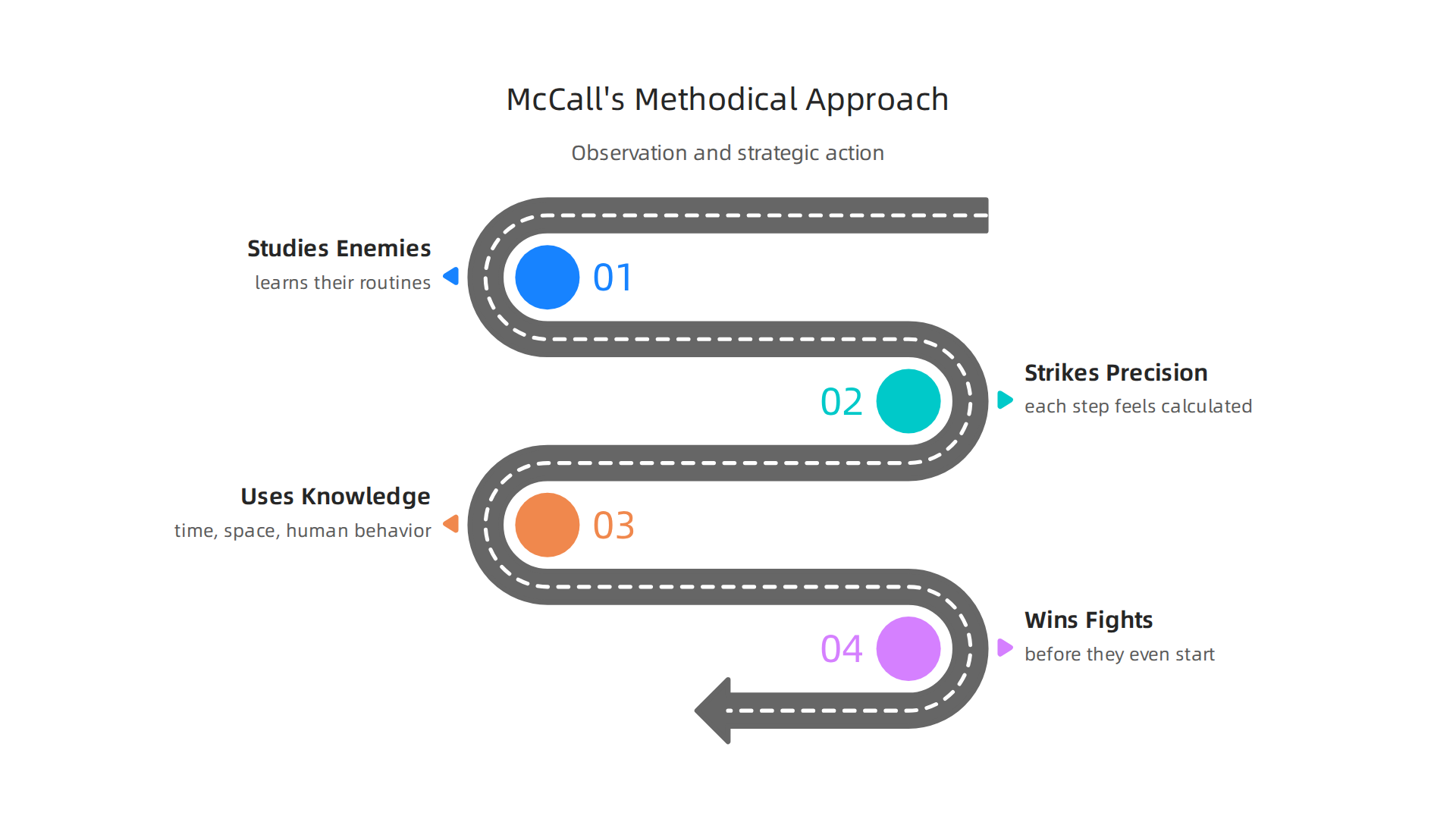
Each step feels calculated. He uses his knowledge of time, space, and human behavior to win fights before they even start. As one review notes, the film is "well directed and acted" with Washington sprinkling "stardust onto what could have been an extremely average big" production.
The narrative here is lean. There are no messy subplots or distractions. Every scene pushes McCall closer to his goal. The movie focuses entirely on his methodical approach and the weight of his moral calculations. For fans of classic stars from Patrick Swayze movies or Cameron Diaz movies, this focused and dark style feels refreshingly different.
McCall acts less like a typical action hero and more like a strategist. That is why his character resonates with people who love careful planning and quiet strength. If you enjoy heroes who think three steps ahead, you might also appreciate reading about other iconic genre actors who defined modern storytelling.

Denzel Washington’s Portrayal of Robert McCall
Denzel Washington does not just act in The Equalizer movie. He becomes Robert McCall. You can see it in every small gesture. In a set interview, Washington talked about how he approached the role with a deep sense of purpose. He wanted McCall to feel real, not like a cartoon hero.
What makes his performance stand out is the quiet intensity. McCall does not yell or show off. He barely raises his voice. Instead, he lets his movements do the talking.

When he enters a room, he scans everything. His body stays relaxed but ready. This control suggests years of training and a mind that never stops calculating. A character study of the film notes how Washington brings humanity to a role that could have been just another action figure.
His physicality is key. Watch how he holds a spoon, or how he times his steps. Every motion is deliberate. One article calls a particular scene in the film a masterpiece because it shows exactly how Washington builds tension without a single word. You know what is coming just from the stillness.
But McCall is not a machine. Washington shows us his soft side too. McCall has daily rituals that ground him. He cannot sleep because of past ghosts. He visits the same diner, drinks the same tea, and tries to help strangers. These small habits remind us that he is a man carrying deep loss. That vulnerability makes his violence more meaningful.
Fans of actors who bring this kind of depth to action roles will notice similarities with other great performers. You might enjoy reading about other quiet, powerful heroes in 10 Liam Neeson movies that define modern action.

Neeson, like Washington, turns ordinary men into unforgettable forces.
In the end, Washington makes McCall someone you root for. You feel his pain. You understand his choices. That is why The Equalizer movie still connects with audiences in 2026. It is not just about the fights. It is about the man behind them.
Action Choreography: The Art of Efficient Violence
Most action movies stretch fights for minutes. Heroes trade punches, flip off walls, and dodge bullets like it is a dance. The Equalizer movie throws that rule out the window. Robert McCall does not fight for show. He fights to survive, and he ends things fast.
The choreography here is all about realism and efficiency. Every move has a purpose.
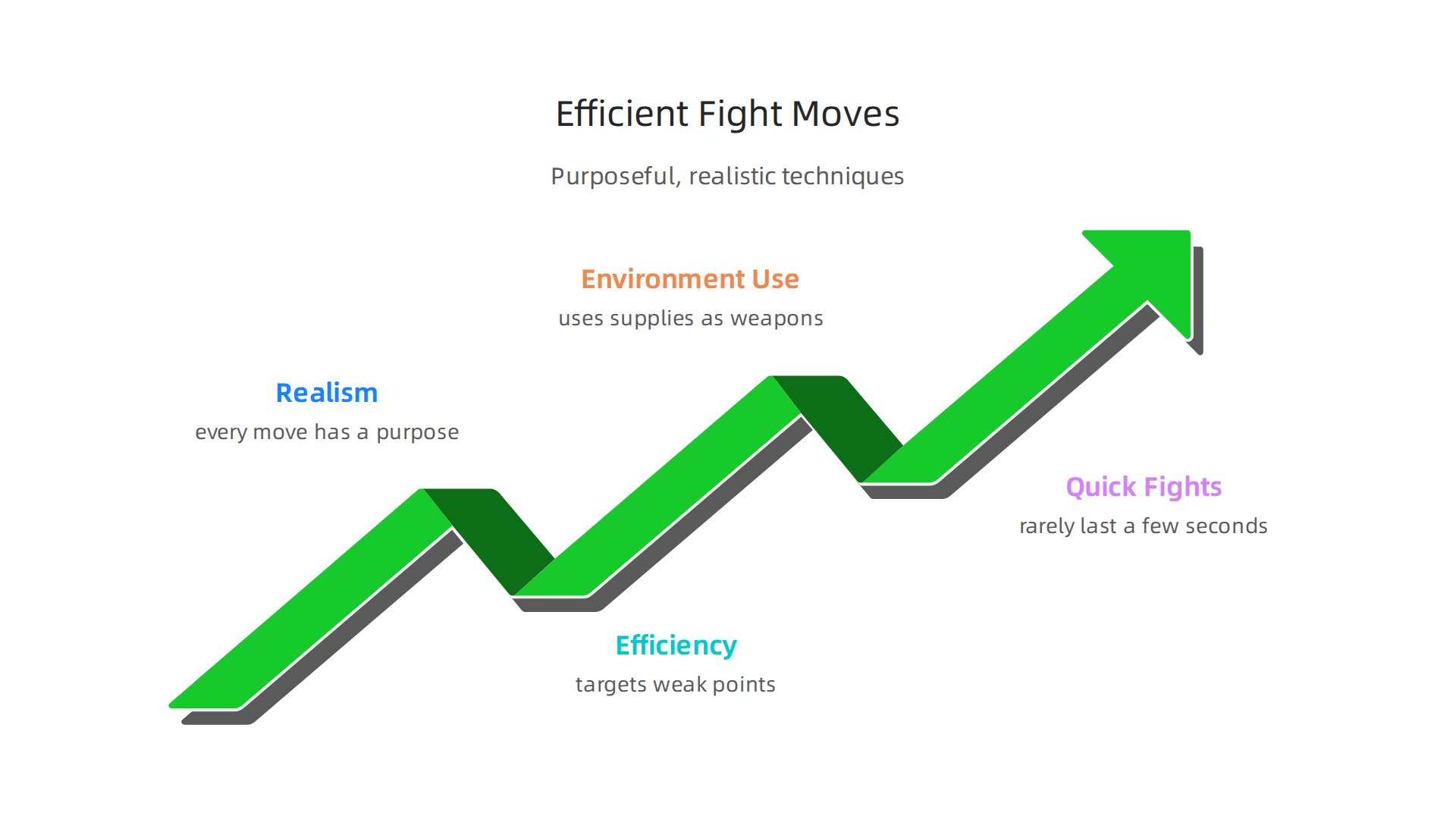
McCall targets weak points. He uses the environment. Fights rarely last more than a few seconds. That is the whole idea. The stunt team worked closely with Denzel Washington to create action he could actually perform himself. According to a behind the scenes look at the stunts, they focused on making every hit count. You can see the result on screen. McCall is not a superhero. He is a man who knows exactly where to strike.
The Hardware Store Scene
The most famous example is the hardware store scene. McCall walks in to buy supplies. Then he uses those supplies as weapons. A corkscrew, a hammer, a garden tool. He grabs objects off the shelves and turns them into tools of survival. It is pure MacGyver logic. The scene works because it feels real. Regular people might not have martial arts training, but they have a hammer in the garage. That connection makes the violence more grounded.
The choreography emphasizes brutal, tactical movements. No spinning kicks or showy flips. McCall stays low, moves fast, and finishes the job. A video breakdown of the trilogy shows how the stunt coordinators designed each fight to match McCall’s personality. He is calm. He is controlled. And he is absolutely lethal.
This approach to action has influenced how we watch fight scenes today. If you enjoy seeing characters who use their brains as much as their fists, check out our guide to iconic sci-fi actors who defined the genre. Like Washington, those actors bring depth to roles that could easily be one dimensional.
In the end, the action in The Equalizer movie sticks with you because it respects the audience. It does not try to impress you with flashy moves. It shows you a man who has been trained to end conflict, not to draw it out. That is efficient violence at its best.
The Moral Code of Robert McCall
What separates a hero from just another violent man? For Robert McCall, the answer is simple. He has a strict moral code. He only uses violence against people who prey on the innocent. That one rule changes everything.

It turns a killer into something closer to a guardian.
This code is not just a throwaway line. It drives every choice McCall makes in the equalizer movie. He does not walk into a room looking for a fight. He waits until he sees someone being hurt by someone stronger. Then he steps in. According to a behind the scenes look at the character, Denzel Washington wanted McCall to feel like a real person with real limits. [That interview reveals how Washington shaped the character’s internal rules] (https://screenrant.com/denzel-washington-equalizer-set-interview/).
The film explores big ideas because of this code. Justice, redemption, and the limits of personal intervention all come up. McCall knows he cannot save everyone. But he can save the one person in front of him. [A deep dive into the character development shows how this moral framework makes the story more than just action] (https://blog.srstaley.com/equalizer-told-character-development/).

It adds weight to every punch.
Think about it. Most action heroes just fight bad guys. McCall fights for someone. That difference matters. It is why fans of morally complex stories in sci fi and fantasy connect with the equalizer movie so strongly. [One critic noted that the film feels like a masterpiece because of how it handles McCall’s personal ethics] (https://www.cbr.com/denzel-washington-equalizer-masterpiece-scene/).

If you enjoy characters who live by a strong internal compass, you will love the same depth in other modern action films. Check out our guide to 10 Liam Neeson movies that define modern action. Like McCall, Neeson often plays men pushed to act by a personal code.
A movie with a hero who only fights when absolutely necessary. That is rare. That is what makes Robert McCall unforgettable. That is what makes the equalizer movie more than just another revenge story. It is a story about choosing to be good in a world that is not.
Cinematography and Visual Style: Creating a Gritty World
Robert McCall’s moral code gives the equalizer movie its heart, but the way it looks gives it its soul. From the first frame, the film pulls you into a world that feels worn down and dangerous. This is not a bright, polished action film. It is dark, heavy, and close. And that is exactly the point.

Director Antoine Fuqua chose a muted color palette. Browns, grays, and deep blues dominate every scene. Even the home improvement store where McCall works feels drained of light. This creates a claustrophobic atmosphere. You feel like you are trapped in the same spaces McCall walks through. The film uses intense close-ups to push you inside the action. You see the sweat on a villain’s face. You watch McCall’s eyes go cold right before he moves. According to a report on the film’s production, the stunt team worked closely with Denzel Washington to create action that felt gritty and realistic. [That commitment to physical realism shines through every fight scene] (https://pop.inquirer.net/15405/gritty-realistic-action-scenes-pay-off-in-the-equalizer).
The camera work does something clever. It mirrors McCall’s calculated perspective. When he is planning a takedown, the camera becomes still and patient. It holds on objects like a stopwatch or a corkscrew. You understand that McCall sees the world as a series of tools and timings. Then, when the fight starts, the camera jerks and shakes. It is chaotic on purpose. That contrast between calm and violence is pure visual storytelling. [A behind the scenes look at the stunt team reveals how much work went into making every hit feel real] (https://www.youtube.com/watch?v=o8rVFMDWGAs).
Lighting also plays a huge role. McCall often moves through shadows. He is a man hiding from his past. The darkness is his home. But when he decides to act, light hits his face. It is subtle, but it tells you he has made a choice. That kind of careful direction makes the equalizer movie feel more like a thriller than a standard action flick.
If you appreciate this kind of visual craftsmanship, you will enjoy exploring how other filmmakers build worlds. Check out our guide to the best new sci-fi movies 2026 and TV shows you can’t afford to miss. Many of them use similar techniques to create tension and atmosphere.
The result is a film that looks as smart as it fights. Every shadow, every close-up, every camera pause serves the story. You do not just watch McCall’s world. You feel trapped inside it with him. And that makes the violence hit harder. That makes the hero worth rooting for.
The Equalizer Movie vs. The Original TV Series
You might be surprised to learn that Denzel Washington’s Robert McCall was not the first one. Before the equalizer movie hit theaters in 2014, there was a TV series that started in the 1980s. And it was a different beast entirely.
The original show starred Edward Woodward as McCall. He was a former intelligence officer who placed a newspaper ad offering his services to people in trouble. That core idea, a helper for the helpless, stayed the same. But almost everything else changed.
The biggest difference is the violence. The TV series was much more restrained.
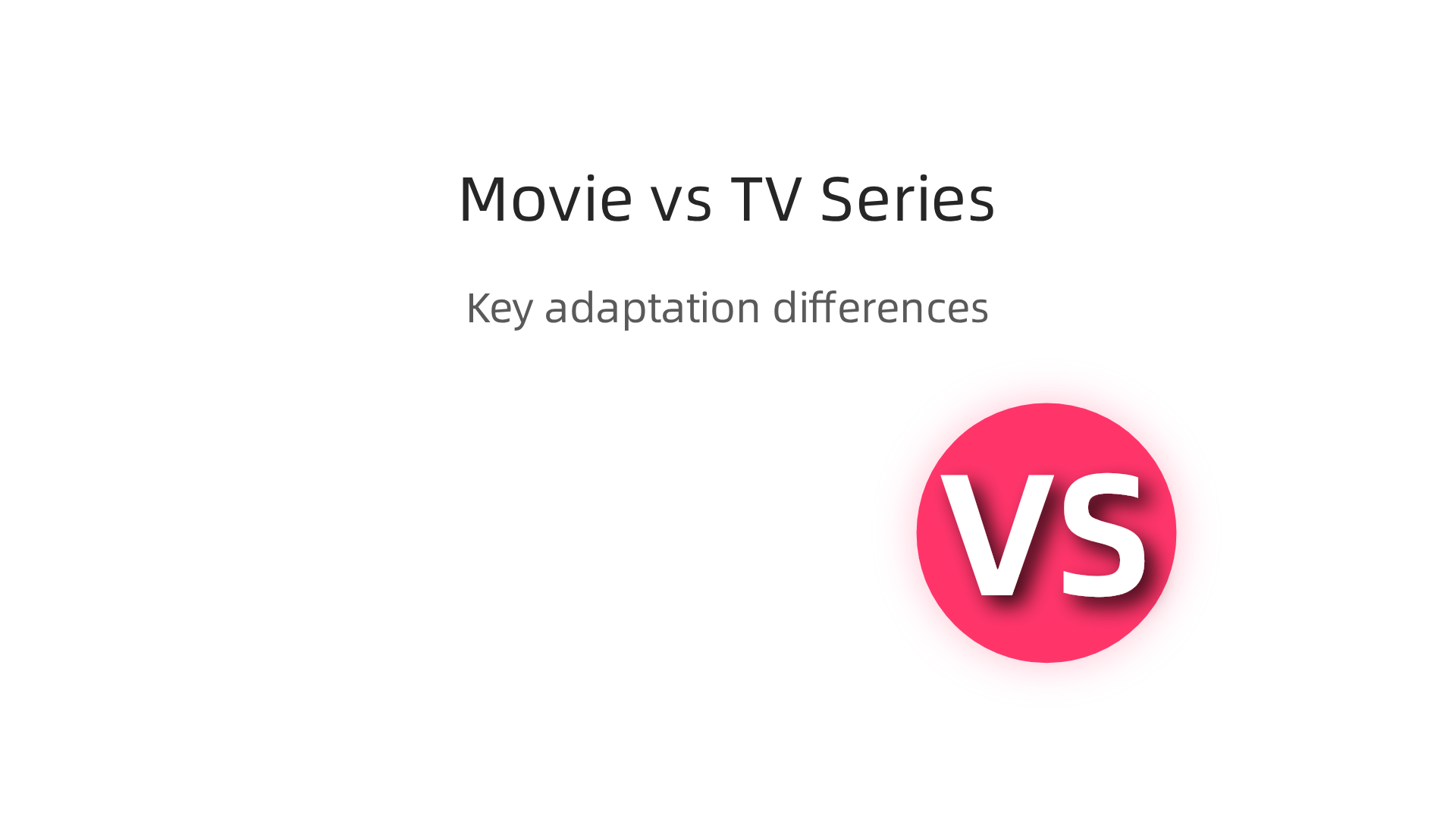
It focused on McCall using his mind and his network of contacts to solve problems. He rarely threw a punch. In the equalizer movie, McCall is a brutal, methodical fighter. He uses household tools as weapons. The fights are quick and brutal. That shift reflects how action movies have changed over the decades.
Another key difference is McCall’s past. In the original show, his background was vague. He was just a retired spy. In the 2014 film, we learn he faked his own death to escape a violent life. That gives him a deeper emotional weight. He is not just helping strangers. He is trying to atone for his own sins.
The setting changed too. The TV show was set in London, which gave it a quieter, more intellectual feel. The film moves to Boston, a city that feels grittier and more dangerous. That change matters. It sets a darker tone from the start.
Fans of the original series have mixed feelings. Some appreciate the homage, while others miss the old style. But there is no denying that Denzel Washington made the role his own. A recent comparison of the two actors shows how different their takes on Robert McCall really are. And the TV reboot that followed actually scored higher on Rotten Tomatoes than Washington’s first two films in the series, which shows there is room for both versions.
If you enjoy seeing how classic concepts get reimagined for modern audiences, check out our list of the best new sci-fi movies 2026 and TV shows you can’t afford to miss. Many of them pull from older ideas too.
In the end, both versions work. One is a quiet, tense drama. The other is a loud, explosive action thriller. And that is okay. McCall belongs to every generation.
Why The Equalizer Appeals to Science Fiction Fans
At first glance, the equalizer movie might not look like science fiction. There are no spaceships, aliens, or futuristic cities. But if you look closer, you will see why sci-fi fans love it so much.
The core theme is justice. McCall is a lone hero who fights a corrupt system. That idea shows up again and again in sci-fi.

Think about stories where one person stands up against a powerful government or corporation. The Equalizer trilogy offers a comforting fiction that somewhere out there, a force for good exists. That is a deeply sci-fi concept.
McCall uses technology the way a sci-fi character would. He sets up surveillance. He plans every move. He uses everyday objects as tools. The film shows McCall as a man who uses his mind and his environment to win. This feels a lot like how characters in threads movie or even Batman approach their missions. It is not about super strength. It is about being clever and prepared.
The moral ambiguity also pulls sci-fi fans in. McCall is not a perfect hero. He has done bad things. He is trying to atone. That blend of action and character development creates a story that is more than just a simple revenge tale. Fans who enjoy complex world-building in franchises like Patrick Swayze movies or Cameron Diaz movies will appreciate the same depth here.
If you like stories where one smart person uses strategy and tools to take down a bigger enemy, this movie is for you. It scratches the same itch as the best sci-fi. For more content that blends action with deeper themes, check out our guide to iconic sci-fi actors who defined the genre.
In the end, the equalizer movie is not just an action film. It is a smart, methodical thriller that shares DNA with the best science fiction. And that is why it works.
Summary
This article analyzes The Equalizer (2014), showing how the film stands out by favoring strategy and moral weight over showy stunts. It summarizes the plot—Robert McCall’s quiet life upended when he rescues a trafficked teen—and explains how each scene builds toward his methodical takedowns. The piece examines Denzel Washington’s restrained, deeply physical performance, the stunt choreography that emphasizes quick, purposeful violence, and the film’s muted cinematography that mirrors McCall’s inner world. It also compares the movie to the original 1980s TV series, highlights why the character’s strict moral code gives the story emotional heft, and argues the film appeals to sci‑fi fans because of its focus on preparation, technology, and lone‑operator justice. After reading, you’ll understand the film’s craft choices and why McCall’s blend of brains, tools, and ethics resonates across genres.